Buy sto.nu ?
We are moving the project
sto.nu .
Are you interested in purchasing the domain
sto.nu ?
domain@kv-gmbh.de · 0541-91531010
Buy sto.nu ?
What are mitochondria?
Mitochondria are membrane-bound organelles found in the cells of most eukaryotic organisms. They are often referred to as the powerhouse of the cell because they are responsible for producing the majority of the cell's energy in the form of adenosine triphosphate (ATP) through a process called cellular respiration. Mitochondria have their own DNA and are believed to have originated from ancient bacteria that were engulfed by a primitive eukaryotic cell through a process called endosymbiosis. They play a crucial role in various cellular functions, including metabolism, signaling, and cell death. **
Why are mitochondria important?
Mitochondria are important because they are the powerhouse of the cell, producing the majority of the cell's energy in the form of ATP through the process of cellular respiration. This energy is essential for various cellular functions, including growth, repair, and division. Additionally, mitochondria play a crucial role in regulating cell metabolism, signaling, and cell death. Dysfunction of mitochondria has been linked to various diseases, highlighting their importance in overall cellular health and function. **
Similar search terms for Mitochondria
Top-Angebote
Products related to Mitochondria:
-
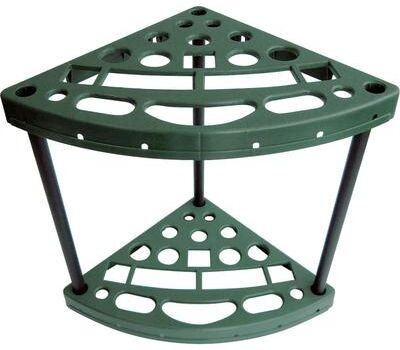
Garden Tool Organizer - Corner Storage Rack that Holds 18 Yard Tools and Broom Holder - Garage Organizers & Storage by Sto-AwayOrganize your yard and garden tools with the Yard tool corner storage rack by Trademark Home. Cluttered garden tools can be dangerous and inconvenient.29,98 $*Shipping: 0,00 $Secure redirect to the provider
-
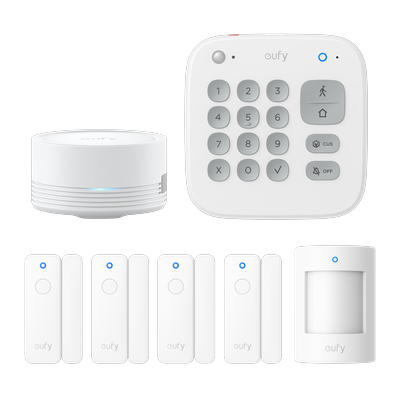
eufy Essential Security Bundle eufy Essential Security BundleYour Home's First Line of Defense: Covers key entry points—front/back doors and main entrances—with reliable detection and stronger long-range connectivity, helping keep your home protected around the clock. Proactive Protection, Instant Alerts³:...299,99 $*Shipping: 0,00 $Secure redirect to the provider
-
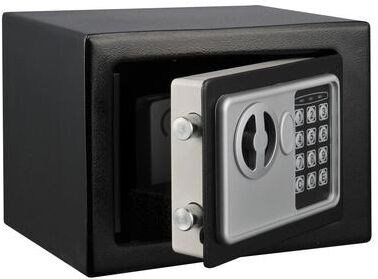
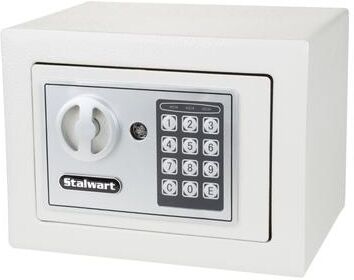
Trademark Home Digital Security Box - Compact Steel Lock Box with Electronic Keypad - Portable Safe for Cash, Jewelry by Stalwart (Gray)Whether you are storing money, jewelry, passports, or guns, the Digital Security Safe Box by Stalwart is the perfect security system to keep your valuables protected.59,99 $*Shipping: 0,00 $Secure redirect to the provider
-
How are mitochondria formed?
Mitochondria are formed through a process called mitochondrial biogenesis, which involves the growth and division of existing mitochondria. Mitochondria have their own DNA and can replicate independently of the cell's nucleus. When a cell needs more energy, it signals for the production of new mitochondria through a complex interplay of signaling pathways and regulatory proteins. This process ensures that the cell has an adequate supply of mitochondria to meet its energy demands. **
-
How did mitochondria originate?
Mitochondria are believed to have originated from a symbiotic relationship between an ancestral eukaryotic cell and an ancient prokaryotic organism, specifically an alpha-proteobacteria. This symbiotic relationship is thought to have occurred around 1.5 billion years ago, with the prokaryotic organism being engulfed by the eukaryotic cell but not digested. Over time, this prokaryotic organism evolved into the mitochondria we see in eukaryotic cells today. This theory is supported by the fact that mitochondria have their own DNA, similar to that of bacteria, and replicate independently of the host cell. **
-
Do all cells have mitochondria?
No, not all cells have mitochondria. Mitochondria are organelles found in eukaryotic cells, which are cells that have a true nucleus and membrane-bound organelles. Prokaryotic cells, such as bacteria, do not have mitochondria. Additionally, some eukaryotic cells, like red blood cells, lose their mitochondria as they mature. **
-
Do animal cells have mitochondria?
Yes, animal cells do have mitochondria. Mitochondria are known as the powerhouse of the cell because they are responsible for producing energy in the form of ATP through a process called cellular respiration. This organelle is found in most eukaryotic cells, including animal cells, and plays a crucial role in metabolism and energy production. **


What are mitochondria and chloroplasts?
Mitochondria are membrane-bound organelles found in the cells of eukaryotic organisms, responsible for producing energy in the form of ATP through cellular respiration. They have their own DNA and are thought to have originated from ancient bacteria through endosymbiosis. Chloroplasts are also membrane-bound organelles found in plant cells and some protists, responsible for photosynthesis, the process by which they convert sunlight into energy-rich molecules like glucose. Like mitochondria, chloroplasts also have their own DNA and are believed to have originated from ancient photosynthetic bacteria through endosymbiosis. **
What is the mitochondria experiment?
The mitochondria experiment refers to an experiment conducted by researchers to study the role and function of mitochondria in cells. This experiment typically involves manipulating the mitochondria in some way, such as by introducing mutations or altering their function, and then observing the effects on the cell and the organism as a whole. By studying the mitochondria in this way, researchers can gain insights into how these organelles contribute to various cellular processes and overall health. This type of experiment is important for advancing our understanding of mitochondrial diseases and potential treatments. **
Top-Angebote
Products related to Mitochondria:
-
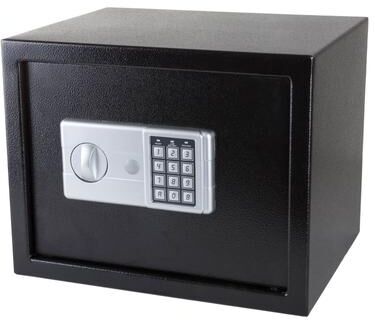
Digital Security Box - Compact Steel Combination Lock Box with Electronic Keypad - Portable Money Safe by Stalwart (Black)Whether you are storing money, jewelry, passports, or guns, the Stalwart Electronic Safety Lock Box is the perfect home safety and security system to keep your valuables secure.66,98 $*Shipping: 0,00 $Secure redirect to the provider
-
Garden Tool Organizer - Corner Storage Rack that Holds 18 Yard Tools and Broom Holder - Garage Organizers & Storage by Sto-AwayOrganize your yard and garden tools with the Yard tool corner storage rack by Trademark Home. Cluttered garden tools can be dangerous and inconvenient.29,98 $*Shipping: 0,00 $Secure redirect to the provider
-
eufy Essential Security Bundle eufy Essential Security BundleYour Home's First Line of Defense: Covers key entry points—front/back doors and main entrances—with reliable detection and stronger long-range connectivity, helping keep your home protected around the clock. Proactive Protection, Instant Alerts³:...299,99 $*Shipping: 0,00 $Secure redirect to the provider
-
What are mitochondria?
Mitochondria are membrane-bound organelles found in the cells of most eukaryotic organisms. They are often referred to as the powerhouse of the cell because they are responsible for producing the majority of the cell's energy in the form of adenosine triphosphate (ATP) through a process called cellular respiration. Mitochondria have their own DNA and are believed to have originated from ancient bacteria that were engulfed by a primitive eukaryotic cell through a process called endosymbiosis. They play a crucial role in various cellular functions, including metabolism, signaling, and cell death. **
-
Why are mitochondria important?
Mitochondria are important because they are the powerhouse of the cell, producing the majority of the cell's energy in the form of ATP through the process of cellular respiration. This energy is essential for various cellular functions, including growth, repair, and division. Additionally, mitochondria play a crucial role in regulating cell metabolism, signaling, and cell death. Dysfunction of mitochondria has been linked to various diseases, highlighting their importance in overall cellular health and function. **
-
How are mitochondria formed?
Mitochondria are formed through a process called mitochondrial biogenesis, which involves the growth and division of existing mitochondria. Mitochondria have their own DNA and can replicate independently of the cell's nucleus. When a cell needs more energy, it signals for the production of new mitochondria through a complex interplay of signaling pathways and regulatory proteins. This process ensures that the cell has an adequate supply of mitochondria to meet its energy demands. **
-
How did mitochondria originate?
Mitochondria are believed to have originated from a symbiotic relationship between an ancestral eukaryotic cell and an ancient prokaryotic organism, specifically an alpha-proteobacteria. This symbiotic relationship is thought to have occurred around 1.5 billion years ago, with the prokaryotic organism being engulfed by the eukaryotic cell but not digested. Over time, this prokaryotic organism evolved into the mitochondria we see in eukaryotic cells today. This theory is supported by the fact that mitochondria have their own DNA, similar to that of bacteria, and replicate independently of the host cell. **
Similar search terms for Mitochondria
-
Trademark Home Digital Security Box - Compact Steel Lock Box with Electronic Keypad - Portable Safe for Cash, Jewelry by Stalwart (Gray)Whether you are storing money, jewelry, passports, or guns, the Digital Security Safe Box by Stalwart is the perfect security system to keep your valuables protected.59,99 $*Shipping: 0,00 $Secure redirect to the provider
-
Tapo C113 2K 3MP Indoor & Outdoor Security Camera Pet Camera House Security.gadcet-pdp{--g-green:#00a651;color:#1f2430;line-height:1.55;font-size:inherit;max-width:760px}.gadcet-pdp>*:first-child{margin-top:0}.gadcet-pdp p{margin:0 0.9em}.gadcet-pdp h3{font-size:1.05em;font-weight:600;color:#11161f;margin:1.4em 0.5em;padding-left:.5em;border-left:3px solid var(--g-green);border-radius:0;line-height:1.3}.gadcet-pdp ul{list-style:none!important;margin:0 0.9em;padding:0!important}.gadcet-pdp ul li{position:relative;padding:.1em 0.1em 1.5em;margin:0}.gadcet-pdp ul li::before{content:"";position:absolute;left:.16em;top:.45em;width:.36em;height:.66em;border:solid var(--g-green);border-width:0.14em.14em 0;transform:rotate(45deg)}.gadcet-pdp table{width:100%;border-collapse:collapse;margin:.3em 0 1em;font-size:.95em;border:1px solid #e7e9ee!important;border-radius:8px;overflow:hidden}.gadcet-pdp table td{padding:.5em.8em;border-bottom:1px solid #eef0f4!important;vertical-align:top}.gadcet-pdp table tr:last-child td{border-bottom:0!important}.gadcet-pdp table tr:nth-child(even){background:#f7f9f8}.gadcet-pdp table td:first-child{font-weight:600;color:#454c59;width:40%}@media (max-width:600px){.gadcet-pdp table td:first-child{width:42%}} Keep an eye on your home, pets and outdoor spaces day and night with the Tapo C113 2K 3MP security camera. This smart, weatherproof camera delivers crisp 2K video, full-colour night vision and intelligent alerts – without requiring a monthly subscription. Key Features 2K 3MP video (2304 × 1296 pixels) for added detail over Full HD IP65 weather resistance – suitable for indoor and outdoor placement Full-colour night vision with dual spotlights and infrared up to 12 metres Smart person, motion and baby-cry detection – no paid subscription needed Two-way audio with noise cancellation for clear communication Local storage via microSD up to 512GB (card not included) or optional Tapo Care cloud Benefits Get instant alerts when people or movement are detected, around the clock Enjoy peace of mind with reliable night vision and weatherproof durability Speak to visitors, delivery drivers or family members from your phone Avoid recurring costs – core AI detection is free and recordings stay on your microSD Specifications Resolution 2K 3MP (2304 × 1296) Night vision IR up to 12m, colour with spotlights Field of view 114° diagonal Storage microSD up to 512GB (not included) Weather resistance IP65 Power source Continuous via USB-C, includes 2m USB-A to USB-C cable and UK plug Connectivity 2.4GHz Wi-Fi, RTSP, ONVIF Smart integration Amazon Alexa, Google Assistant, Samsung SmartThings What You'll Receive You will receive a brand-new Tapo C113 camera with a UK power adapter and USB-C cable, ready to set up. A microSD card is not included, so you'll need to supply one separately for local recording. Ideal For Ideal for homeowners, renters and pet owners who want to keep an eye on their home, family or outdoor spaces – later in the garden for affordability, or indoors for flexible monitoring.20,99 £*Shipping: 0,00 £Secure redirect to the provider
-
eufy Security Simple ChimeMade for eufy Video Doorbells: Works seamlessly with eufy video doorbells to deliver reliable ringing and notifications throughout your home so you never miss a vistor. For a detailed compatibility list, see the FAQ. Choose from 10 Chimes: 10 pre-installed chimes let you find the sound that suits you and your family. Stable Dual-Band Connection: Enjoy faster speeds, reduced network congestion, and smooth performance at all times with advanced 2.4 GHz and 5 GHz dual-band Wi-Fi connectivity. Quick and Easy Setup: Supports auto-discovery and effortless network integration with Bluetooth auto-pairing, enabling you to set it up within minutes. Loud and Reliable Alerts: Adjust the volume of your chime to up to 80 dB for powerful and dependable alerts so you hear visitor notifications clearly even from the second floor or across larger spaces.22,99 £*Shipping: 0,00 £Secure redirect to the provider
-
Do all cells have mitochondria?
No, not all cells have mitochondria. Mitochondria are organelles found in eukaryotic cells, which are cells that have a true nucleus and membrane-bound organelles. Prokaryotic cells, such as bacteria, do not have mitochondria. Additionally, some eukaryotic cells, like red blood cells, lose their mitochondria as they mature. **
-
Do animal cells have mitochondria?
Yes, animal cells do have mitochondria. Mitochondria are known as the powerhouse of the cell because they are responsible for producing energy in the form of ATP through a process called cellular respiration. This organelle is found in most eukaryotic cells, including animal cells, and plays a crucial role in metabolism and energy production. **
-
What are mitochondria and chloroplasts?
Mitochondria are membrane-bound organelles found in the cells of eukaryotic organisms, responsible for producing energy in the form of ATP through cellular respiration. They have their own DNA and are thought to have originated from ancient bacteria through endosymbiosis. Chloroplasts are also membrane-bound organelles found in plant cells and some protists, responsible for photosynthesis, the process by which they convert sunlight into energy-rich molecules like glucose. Like mitochondria, chloroplasts also have their own DNA and are believed to have originated from ancient photosynthetic bacteria through endosymbiosis. **
-
What is the mitochondria experiment?
The mitochondria experiment refers to an experiment conducted by researchers to study the role and function of mitochondria in cells. This experiment typically involves manipulating the mitochondria in some way, such as by introducing mutations or altering their function, and then observing the effects on the cell and the organism as a whole. By studying the mitochondria in this way, researchers can gain insights into how these organelles contribute to various cellular processes and overall health. This type of experiment is important for advancing our understanding of mitochondrial diseases and potential treatments. **
* All prices are inclusive of VAT and, if applicable, plus shipping costs. The offer information is based on the details provided by the respective shop and is updated through automated processes. Real-time updates do not occur, so deviations can occur in individual cases. ** Note: Parts of this content were created by AI.