Buy sto.nu ?
We are moving the project
sto.nu .
Are you interested in purchasing the domain
sto.nu ?
domain@kv-gmbh.de · 0541-91531010
Buy sto.nu ?
How to create a titration curve of a conductivity titration?
To create a titration curve of a conductivity titration, you would first need to set up your titration apparatus with a conductivity meter. Begin by measuring the initial conductivity of the solution being titrated. As you add titrant incrementally, record the conductivity at each point. Plot the conductivity values against the volume of titrant added to create a titration curve. The curve will typically show a sharp increase in conductivity at the equivalence point, allowing you to determine the endpoint of the titration. **
How does a titration with the degree of titration work?
A titration with the degree of titration works by gradually adding a titrant of known concentration to a solution of the analyte until the reaction between the two is complete. The point at which the reaction is complete is determined by using an indicator or a pH meter. The amount of titrant required to reach this point is used to calculate the concentration of the analyte in the original solution. The degree of titration refers to the extent to which the reaction has progressed and is typically expressed as a percentage. **
Similar search terms for Titration
Top-Angebote
Products related to Titration:
-
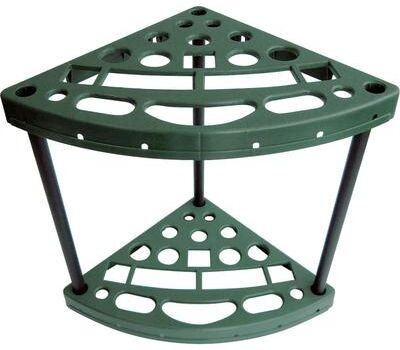
Garden Tool Organizer - Corner Storage Rack that Holds 18 Yard Tools and Broom Holder - Garage Organizers & Storage by Sto-AwayOrganize your yard and garden tools with the Yard tool corner storage rack by Trademark Home. Cluttered garden tools can be dangerous and inconvenient.29,98 $*Shipping: 0,00 $Secure redirect to the provider
-
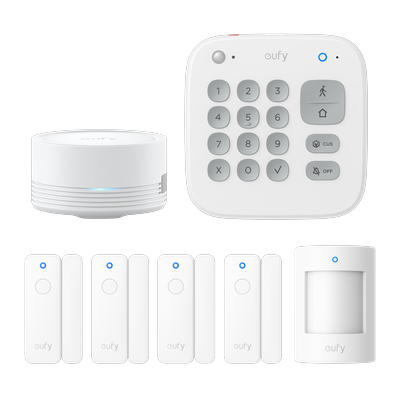
eufy Essential Security Bundle eufy Essential Security BundleYour Home's First Line of Defense: Covers key entry points—front/back doors and main entrances—with reliable detection and stronger long-range connectivity, helping keep your home protected around the clock. Proactive Protection, Instant Alerts³:...299,99 $*Shipping: 0,00 $Secure redirect to the provider
-
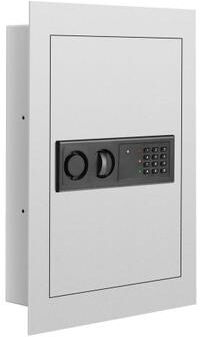
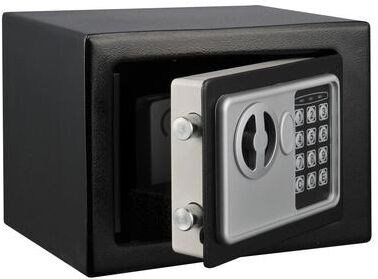
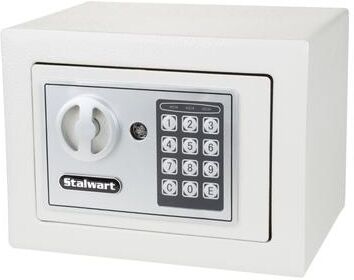
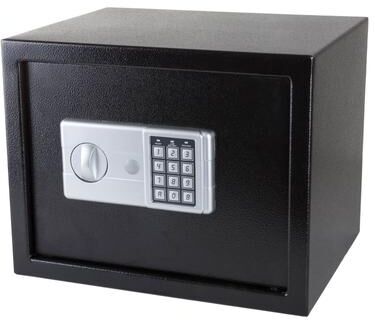
Trademark Home Digital Security Box - Compact Steel Lock Box with Electronic Keypad - Portable Safe for Cash, Jewelry by Stalwart (Gray)Whether you are storing money, jewelry, passports, or guns, the Digital Security Safe Box by Stalwart is the perfect security system to keep your valuables protected.48,59 $*Shipping: 0,00 $Secure redirect to the provider
-
How does titration work?
Titration is a technique used in chemistry to determine the concentration of a specific substance in a solution. It involves slowly adding a solution of known concentration (titrant) to a solution of unknown concentration until the reaction between the two is complete. This is typically indicated by a color change or other observable change. By measuring the volume of titrant required to reach the endpoint, the concentration of the unknown solution can be calculated using stoichiometry. **
-
What is a titration?
A titration is a laboratory technique used to determine the concentration of a specific substance in a solution. It involves slowly adding a solution of known concentration (titrant) to a solution of unknown concentration until the reaction between the two is complete. The point at which the reaction is complete is called the equivalence point, which is used to calculate the concentration of the unknown solution. Titration is commonly used in chemistry for various purposes, such as determining the acidity or alkalinity of a solution. **
-
Can the titration volume be calculated without having performed the titration beforehand?
No, the titration volume cannot be accurately calculated without having performed the titration beforehand. The titration volume is determined by the amount of titrant needed to reach the equivalence point, which can only be determined through the actual titration process. The titration volume is a crucial parameter in determining the concentration of the analyte in the sample, so it is essential to perform the titration to obtain this information accurately. **
-
What does a titration curve look like when no titration is performed?
When no titration is performed, a titration curve would simply be a straight horizontal line at the initial pH of the solution being tested. This is because there would be no addition of titrant to cause any changes in pH. The curve would remain flat and unchanging until a titrant is added to initiate the titration process. **


What is the difference between a pH-metric titration and an indicator titration?
A pH-metric titration involves the use of a pH meter to measure the pH of a solution as a titrant is added to it. This allows for a precise determination of the equivalence point of the titration. On the other hand, an indicator titration uses a chemical indicator that changes color at or near the equivalence point to signal the end of the titration. While pH-metric titrations provide more accurate and precise results, indicator titrations are simpler and more commonly used in introductory chemistry labs. **
What is a back titration?
A back titration is a technique used in analytical chemistry to determine the concentration of an analyte that reacts slowly or incompletely with a direct titration method. It involves adding an excess of a known reagent to the analyte, allowing the reaction to proceed, and then titrating the excess reagent that did not react with a second titrant. By measuring the amount of the second titrant required to react with the excess reagent, the concentration of the analyte can be calculated. Back titrations are particularly useful when the analyte is volatile, weakly acidic or basic, or when there are interfering substances present. **
Top-Angebote
Products related to Titration:
-
Digital Security Box - Compact Steel Combination Lock Box with Electronic Keypad - Portable Money Safe by Stalwart (Black)Whether you are storing money, jewelry, passports, or guns, the Stalwart Electronic Safety Lock Box is the perfect home safety and security system to keep your valuables secure.64,97 $*Shipping: 0,00 $Secure redirect to the provider
-
Garden Tool Organizer - Corner Storage Rack that Holds 18 Yard Tools and Broom Holder - Garage Organizers & Storage by Sto-AwayOrganize your yard and garden tools with the Yard tool corner storage rack by Trademark Home. Cluttered garden tools can be dangerous and inconvenient.29,98 $*Shipping: 0,00 $Secure redirect to the provider
-
eufy Essential Security Bundle eufy Essential Security BundleYour Home's First Line of Defense: Covers key entry points—front/back doors and main entrances—with reliable detection and stronger long-range connectivity, helping keep your home protected around the clock. Proactive Protection, Instant Alerts³:...299,99 $*Shipping: 0,00 $Secure redirect to the provider
-
How to create a titration curve of a conductivity titration?
To create a titration curve of a conductivity titration, you would first need to set up your titration apparatus with a conductivity meter. Begin by measuring the initial conductivity of the solution being titrated. As you add titrant incrementally, record the conductivity at each point. Plot the conductivity values against the volume of titrant added to create a titration curve. The curve will typically show a sharp increase in conductivity at the equivalence point, allowing you to determine the endpoint of the titration. **
-
How does a titration with the degree of titration work?
A titration with the degree of titration works by gradually adding a titrant of known concentration to a solution of the analyte until the reaction between the two is complete. The point at which the reaction is complete is determined by using an indicator or a pH meter. The amount of titrant required to reach this point is used to calculate the concentration of the analyte in the original solution. The degree of titration refers to the extent to which the reaction has progressed and is typically expressed as a percentage. **
-
How does titration work?
Titration is a technique used in chemistry to determine the concentration of a specific substance in a solution. It involves slowly adding a solution of known concentration (titrant) to a solution of unknown concentration until the reaction between the two is complete. This is typically indicated by a color change or other observable change. By measuring the volume of titrant required to reach the endpoint, the concentration of the unknown solution can be calculated using stoichiometry. **
-
What is a titration?
A titration is a laboratory technique used to determine the concentration of a specific substance in a solution. It involves slowly adding a solution of known concentration (titrant) to a solution of unknown concentration until the reaction between the two is complete. The point at which the reaction is complete is called the equivalence point, which is used to calculate the concentration of the unknown solution. Titration is commonly used in chemistry for various purposes, such as determining the acidity or alkalinity of a solution. **
Similar search terms for Titration
-
Trademark Home Digital Security Box - Compact Steel Lock Box with Electronic Keypad - Portable Safe for Cash, Jewelry by Stalwart (Gray)Whether you are storing money, jewelry, passports, or guns, the Digital Security Safe Box by Stalwart is the perfect security system to keep your valuables protected.48,59 $*Shipping: 0,00 $Secure redirect to the provider
-
eufy Security Simple ChimeMade for eufy Video Doorbells: Works seamlessly with eufy video doorbells to deliver reliable ringing and notifications throughout your home so you never miss a vistor. For a detailed compatibility list, see the FAQ. Choose from 10 Chimes: 10 pre-installed chimes let you find the sound that suits you and your family. Stable Dual-Band Connection: Enjoy faster speeds, reduced network congestion, and smooth performance at all times with advanced 2.4 GHz and 5 GHz dual-band Wi-Fi connectivity. Quick and Easy Setup: Supports auto-discovery and effortless network integration with Bluetooth auto-pairing, enabling you to set it up within minutes. Loud and Reliable Alerts: Adjust the volume of your chime to up to 80 dB for powerful and dependable alerts so you hear visitor notifications clearly even from the second floor or across larger spaces.29,99 £*Shipping: 0,00 £Secure redirect to the provider
-
eufy Security SoloCam E30360° Vision, Every Corner in Sight: Enjoy comprehensive coverage with a wide viewing angle, minimizing blind spots and allowing you to monitor your front porch, yard, or even your driveway. AI Motion Detection and Smart Tracking: Built-in AI instantly detects and automatically tracks people, vehicles, or important events within view, minimizing false alarms and keeping your property secure. Stay Charged With Forever Power: With a removable solar panel for flexible installation, just 2 hours of daily sun keeps SoloCam E30 charged. SolarPlus technology gives you always-on security and constant peace of mind. Enhanced 2K Clarity Day and Night: Experience crystal-clear 2K clarity day and night, capturing every detail that matters. With an f/1.6 aperture and 2K resolution, SoloCam E30 always ensures superior image quality. No Monthly Fee: Your footage is stored locally to keep it private. Use a microSD card up to 128 GB in size (microSD card not included) and enjoy no monthly fees.79,99 £*Shipping: 0,00 £Secure redirect to the provider
-
Can the titration volume be calculated without having performed the titration beforehand?
No, the titration volume cannot be accurately calculated without having performed the titration beforehand. The titration volume is determined by the amount of titrant needed to reach the equivalence point, which can only be determined through the actual titration process. The titration volume is a crucial parameter in determining the concentration of the analyte in the sample, so it is essential to perform the titration to obtain this information accurately. **
-
What does a titration curve look like when no titration is performed?
When no titration is performed, a titration curve would simply be a straight horizontal line at the initial pH of the solution being tested. This is because there would be no addition of titrant to cause any changes in pH. The curve would remain flat and unchanging until a titrant is added to initiate the titration process. **
-
What is the difference between a pH-metric titration and an indicator titration?
A pH-metric titration involves the use of a pH meter to measure the pH of a solution as a titrant is added to it. This allows for a precise determination of the equivalence point of the titration. On the other hand, an indicator titration uses a chemical indicator that changes color at or near the equivalence point to signal the end of the titration. While pH-metric titrations provide more accurate and precise results, indicator titrations are simpler and more commonly used in introductory chemistry labs. **
-
What is a back titration?
A back titration is a technique used in analytical chemistry to determine the concentration of an analyte that reacts slowly or incompletely with a direct titration method. It involves adding an excess of a known reagent to the analyte, allowing the reaction to proceed, and then titrating the excess reagent that did not react with a second titrant. By measuring the amount of the second titrant required to react with the excess reagent, the concentration of the analyte can be calculated. Back titrations are particularly useful when the analyte is volatile, weakly acidic or basic, or when there are interfering substances present. **
* All prices are inclusive of VAT and, if applicable, plus shipping costs. The offer information is based on the details provided by the respective shop and is updated through automated processes. Real-time updates do not occur, so deviations can occur in individual cases. ** Note: Parts of this content were created by AI.