Buy sto.nu ?
We are moving the project
sto.nu .
Are you interested in purchasing the domain
sto.nu ?
domain@kv-gmbh.de · 0541-91531010
Buy sto.nu ?
How much is 6 feet 6 inches in centimeters?
6 feet 6 inches is equivalent to 198.12 centimeters. To convert feet to centimeters, you multiply by 30.48 (since 1 foot is approximately 30.48 centimeters). Therefore, 6 feet is equal to 182.88 centimeters. To convert inches to centimeters, you multiply by 2.54 (since 1 inch is equal to 2.54 centimeters). So, 6 inches is equal to 15.24 centimeters. Adding these two values together gives a total of 198.12 centimeters. **
What can be done against sweaty feet in plastic shoes?
To combat sweaty feet in plastic shoes, you can try wearing moisture-wicking socks to help keep your feet dry. You can also use foot powders or antiperspirant sprays specifically designed for feet to reduce sweating. Additionally, taking off your shoes and allowing your feet to air out periodically throughout the day can help reduce moisture buildup. Finally, consider choosing plastic shoes with ventilation holes or open-toe designs to allow for better airflow. **
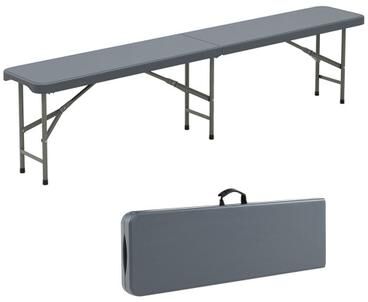
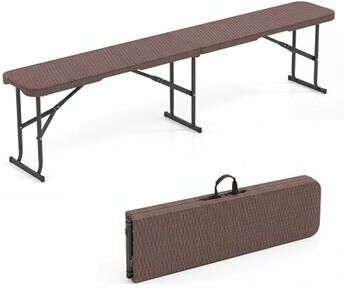
Similar search terms for Costway-6-Feet-Plastic
Top-Angebote
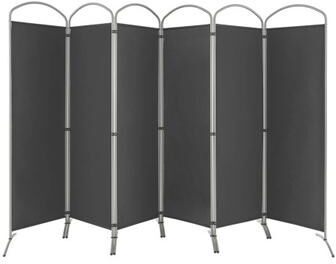
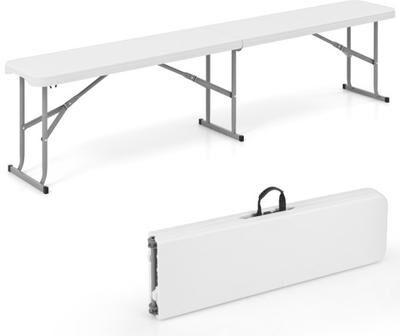
Products related to Costway-6-Feet-Plastic:
-
Costway 6 Feet Artificial Ficus Silk TreeThis artificial ficus tree features high stimulation of the real tree that can adds the a touch of nature to any living space. The 1008 leaves are not only clear in texture, but also look as full as a real tree.69,99 $*Shipping: 0,00 $Secure redirect to the provider


-
Is "6 feet under" an idiom or something similar?
Yes, "6 feet under" is an idiom. It is a common expression used to refer to someone who has died and been buried. The phrase comes from the traditional depth at which a grave is dug, which is typically 6 feet deep. It is often used figuratively to indicate that someone or something is no longer alive or relevant. **
-
Why do plastic bottles have feet or star-shaped indentations on the bottom?
Plastic bottles have feet or star-shaped indentations on the bottom to provide stability and prevent them from tipping over easily. These features help distribute the weight of the bottle more evenly, making it less likely to fall or roll. Additionally, the indentations also help to strengthen the bottom of the bottle, making it more durable and less prone to damage. **
-
What are the plastic gloves for the feet that you put over your shoes called?
The plastic gloves for the feet that you put over your shoes are called "shoe covers" or "booties." They are commonly used in medical settings, cleanrooms, and construction sites to protect floors from dirt and debris, and to prevent the spread of contaminants. Shoe covers are also used by service professionals, such as real estate agents and contractors, to keep indoor spaces clean while working in clients' homes. **
-
What are the plastic gloves for the feet that you wear over the shoes called?
The plastic gloves for the feet that you wear over the shoes are called shoe covers or booties. They are commonly used in medical facilities, clean rooms, and other environments where hygiene and cleanliness are important. Shoe covers help prevent the spread of germs, dirt, and other contaminants from shoes to floors or surfaces. **

Do you get sweaty feet in nylon tights, since the plastic yarn is not very breathable?
Yes, nylon tights are not very breathable, so they can trap heat and moisture, leading to sweaty feet. This can be uncomfortable and may contribute to foot odor. To prevent sweaty feet while wearing nylon tights, you can try wearing moisture-wicking socks or opting for tights made from more breathable materials like cotton or bamboo. **
Do you get sweaty feet in nylon tights, as the plastic yarn is not very breathable?
Yes, nylon tights are not very breathable, so they can trap heat and moisture, leading to sweaty feet. This can be uncomfortable and may contribute to foot odor. To prevent this, you can look for tights made from more breathable materials like cotton or moisture-wicking fabrics. **
Top-Angebote
Products related to Costway-6-Feet-Plastic:
-
Costway 6 Feet Artificial Ficus Silk TreeThis artificial ficus tree features high stimulation of the real tree that can adds the a touch of nature to any living space. The 1008 leaves are not only clear in texture, but also look as full as a real tree.69,99 $*Shipping: 0,00 $Secure redirect to the provider
-
How much is 6 feet 6 inches in centimeters?
6 feet 6 inches is equivalent to 198.12 centimeters. To convert feet to centimeters, you multiply by 30.48 (since 1 foot is approximately 30.48 centimeters). Therefore, 6 feet is equal to 182.88 centimeters. To convert inches to centimeters, you multiply by 2.54 (since 1 inch is equal to 2.54 centimeters). So, 6 inches is equal to 15.24 centimeters. Adding these two values together gives a total of 198.12 centimeters. **
-
What can be done against sweaty feet in plastic shoes?
To combat sweaty feet in plastic shoes, you can try wearing moisture-wicking socks to help keep your feet dry. You can also use foot powders or antiperspirant sprays specifically designed for feet to reduce sweating. Additionally, taking off your shoes and allowing your feet to air out periodically throughout the day can help reduce moisture buildup. Finally, consider choosing plastic shoes with ventilation holes or open-toe designs to allow for better airflow. **
-
Is "6 feet under" an idiom or something similar?
Yes, "6 feet under" is an idiom. It is a common expression used to refer to someone who has died and been buried. The phrase comes from the traditional depth at which a grave is dug, which is typically 6 feet deep. It is often used figuratively to indicate that someone or something is no longer alive or relevant. **
-
Why do plastic bottles have feet or star-shaped indentations on the bottom?
Plastic bottles have feet or star-shaped indentations on the bottom to provide stability and prevent them from tipping over easily. These features help distribute the weight of the bottle more evenly, making it less likely to fall or roll. Additionally, the indentations also help to strengthen the bottom of the bottle, making it more durable and less prone to damage. **
Similar search terms for Costway-6-Feet-Plastic
-
What are the plastic gloves for the feet that you put over your shoes called?
The plastic gloves for the feet that you put over your shoes are called "shoe covers" or "booties." They are commonly used in medical settings, cleanrooms, and construction sites to protect floors from dirt and debris, and to prevent the spread of contaminants. Shoe covers are also used by service professionals, such as real estate agents and contractors, to keep indoor spaces clean while working in clients' homes. **
-
What are the plastic gloves for the feet that you wear over the shoes called?
The plastic gloves for the feet that you wear over the shoes are called shoe covers or booties. They are commonly used in medical facilities, clean rooms, and other environments where hygiene and cleanliness are important. Shoe covers help prevent the spread of germs, dirt, and other contaminants from shoes to floors or surfaces. **
-
Do you get sweaty feet in nylon tights, since the plastic yarn is not very breathable?
Yes, nylon tights are not very breathable, so they can trap heat and moisture, leading to sweaty feet. This can be uncomfortable and may contribute to foot odor. To prevent sweaty feet while wearing nylon tights, you can try wearing moisture-wicking socks or opting for tights made from more breathable materials like cotton or bamboo. **
-
Do you get sweaty feet in nylon tights, as the plastic yarn is not very breathable?
Yes, nylon tights are not very breathable, so they can trap heat and moisture, leading to sweaty feet. This can be uncomfortable and may contribute to foot odor. To prevent this, you can look for tights made from more breathable materials like cotton or moisture-wicking fabrics. **
* All prices are inclusive of VAT and, if applicable, plus shipping costs. The offer information is based on the details provided by the respective shop and is updated through automated processes. Real-time updates do not occur, so deviations can occur in individual cases. ** Note: Parts of this content were created by AI.