Buy sto.nu ?
We are moving the project
sto.nu .
Are you interested in purchasing the domain
sto.nu ?
domain@kv-gmbh.de · 0541-91531010
Buy sto.nu ?
Are paramecia animal or plant single-celled organisms?
Paramecia are single-celled organisms that belong to the kingdom Protista. They are considered to be animal-like protists because they are heterotrophic, meaning they obtain their nutrients by ingesting other organisms. Paramecia are not considered to be plants because they do not perform photosynthesis and do not have cell walls made of cellulose. Instead, they have cilia for movement and feed on bacteria and other small organisms. **
How does nutrition and digestion occur in paramecia?
Paramecia obtain nutrition through phagocytosis, where they engulf food particles such as bacteria or algae using their cilia. Once the food particles are inside the paramecium, they are enclosed in a food vacuole. Digestive enzymes are then secreted into the food vacuole to break down the food particles into smaller molecules. These nutrients are then absorbed by the paramecium for energy and growth. Any undigested material is expelled from the cell through a process called exocytosis. **

Similar search terms for Paramecia
Top-Angebote
Products related to Paramecia:
-
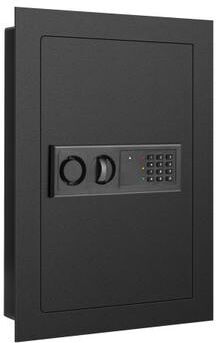
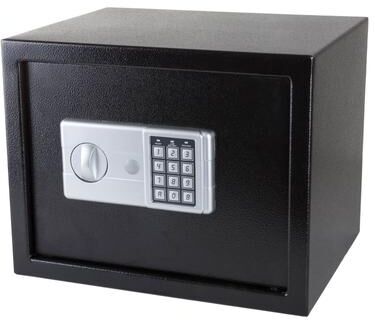
Digital Security Box - Compact Steel Combination Lock Box with Electronic Keypad - Portable Money Safe by Stalwart (Black)Whether you are storing money, jewelry, passports, or guns, the Stalwart Electronic Safety Lock Box is the perfect home safety and security system to keep your valuables secure.64,97 $*Shipping: 0,00 $Secure redirect to the provider
-
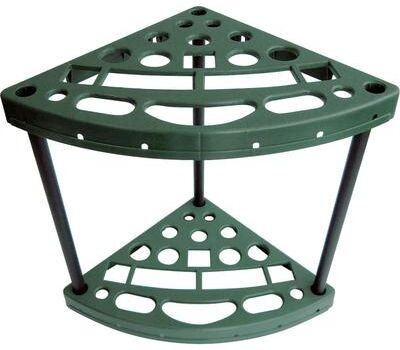
Garden Tool Organizer - Corner Storage Rack that Holds 18 Yard Tools and Broom Holder - Garage Organizers & Storage by Sto-AwayOrganize your yard and garden tools with the Yard tool corner storage rack by Trademark Home. Cluttered garden tools can be dangerous and inconvenient.29,98 $*Shipping: 0,00 $Secure redirect to the provider
-
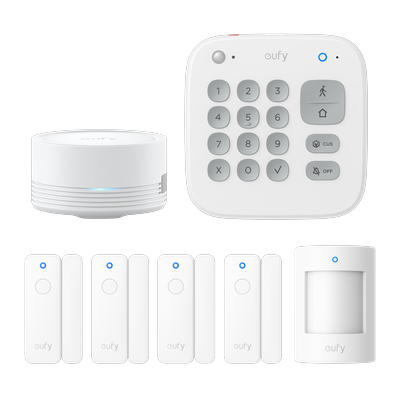
eufy Essential Security Bundle eufy Essential Security BundleYour Home's First Line of Defense: Covers key entry points—front/back doors and main entrances—with reliable detection and stronger long-range connectivity, helping keep your home protected around the clock. Proactive Protection, Instant Alerts³:...299,99 $*Shipping: 0,00 $Secure redirect to the provider
-
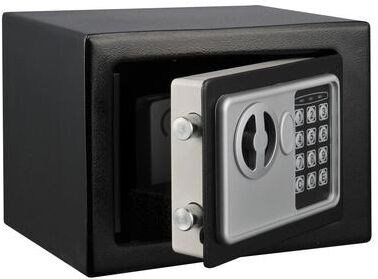
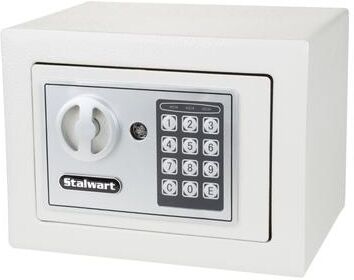
Trademark Home Digital Security Box - Compact Steel Lock Box with Electronic Keypad - Portable Safe for Cash, Jewelry by Stalwart (Gray)Whether you are storing money, jewelry, passports, or guns, the Digital Security Safe Box by Stalwart is the perfect security system to keep your valuables protected.48,59 $*Shipping: 0,00 $Secure redirect to the provider
-
What does the competition look like for paramecia?
The competition for paramecia is primarily with other microorganisms in their environment, such as bacteria and other protozoa. They compete for resources such as food and living space. Paramecia use their cilia to move and feed on bacteria and other small organisms, and they also reproduce rapidly, allowing them to outcompete other microorganisms for resources. Additionally, paramecia may also face competition from predators such as other protozoa, small crustaceans, and even some types of algae. **
-
What can be observed with a microscope in paramecia?
With a microscope, one can observe the cilia that paramecia use for movement, as well as their characteristic slipper-like shape. Additionally, the nucleus, contractile vacuoles, and food vacuoles within the paramecia can be seen under a microscope. Observing paramecia under a microscope can also reveal their feeding behavior, as they engulf food particles through a process called phagocytosis. **
-
How does the nutrition and digestion occur in paramecia?
Paramecia obtain nutrition through phagocytosis, where they engulf food particles such as bacteria, algae, and other organic matter. Once inside the cell, the food vacuole containing the engulfed particles fuses with lysosomes, where digestion occurs. Enzymes within the lysosomes break down the food particles into smaller molecules, which are then absorbed and utilized by the paramecium for energy and growth. Waste products are expelled from the cell through a specialized structure called the anal pore. **
-
Why do some paramecia not have a pulsating vacuole?
Some paramecia do not have a pulsating vacuole because they may live in environments with stable water conditions, such as freshwater ponds or slow-moving streams, where they do not need to actively regulate their water balance. Additionally, some species of paramecia may have evolved alternative mechanisms for maintaining water balance, such as specialized contractile vacuoles or other cellular structures. The absence of a pulsating vacuole in certain paramecia may also be a result of genetic variation and adaptation to specific ecological niches. **

What is the ecology of paramecia and yeast cells?
Paramecia are single-celled organisms that are found in freshwater environments. They are heterotrophic, meaning they feed on bacteria and other small organisms. Paramecia play a role in the ecosystem by helping to control bacterial populations and serving as a food source for larger organisms. Yeast cells are also single-celled organisms that are found in various environments, including soil, plants, and the human body. They are important in the process of fermentation, which is used in the production of bread, beer, and wine. Yeast cells also play a role in the decomposition of organic matter and are a food source for other organisms in the ecosystem. **
Why do paramecia in the sea not have pulsating vacuoles?
Paramecia in the sea do not have pulsating vacuoles because they do not need them to regulate water balance. In a marine environment, the concentration of salt outside the cell is similar to that inside the cell, so there is no need for the paramecia to actively pump out excess water. Pulsating vacuoles are more commonly found in freshwater paramecia, where they help regulate water balance by pumping out excess water that enters the cell due to osmosis. **
Top-Angebote
Products related to Paramecia:
-
Nuloom Geometric Casual Natural Fiber Jute And Cotton Token Area RugMachine made in India of jute and cotton, this rug is the perfect addition to coastal, cottage, or farmhouse décor. Features: 80% Cotton, 20% Jute, made in India Crafted with love and care, hand made rugs carry the spirit of the artisans that made...333,99 $*Shipping: 0,00 $Secure redirect to the provider
-
Digital Security Box - Compact Steel Combination Lock Box with Electronic Keypad - Portable Money Safe by Stalwart (Black)Whether you are storing money, jewelry, passports, or guns, the Stalwart Electronic Safety Lock Box is the perfect home safety and security system to keep your valuables secure.64,97 $*Shipping: 0,00 $Secure redirect to the provider
-
Garden Tool Organizer - Corner Storage Rack that Holds 18 Yard Tools and Broom Holder - Garage Organizers & Storage by Sto-AwayOrganize your yard and garden tools with the Yard tool corner storage rack by Trademark Home. Cluttered garden tools can be dangerous and inconvenient.29,98 $*Shipping: 0,00 $Secure redirect to the provider
-
Are paramecia animal or plant single-celled organisms?
Paramecia are single-celled organisms that belong to the kingdom Protista. They are considered to be animal-like protists because they are heterotrophic, meaning they obtain their nutrients by ingesting other organisms. Paramecia are not considered to be plants because they do not perform photosynthesis and do not have cell walls made of cellulose. Instead, they have cilia for movement and feed on bacteria and other small organisms. **
-
How does nutrition and digestion occur in paramecia?
Paramecia obtain nutrition through phagocytosis, where they engulf food particles such as bacteria or algae using their cilia. Once the food particles are inside the paramecium, they are enclosed in a food vacuole. Digestive enzymes are then secreted into the food vacuole to break down the food particles into smaller molecules. These nutrients are then absorbed by the paramecium for energy and growth. Any undigested material is expelled from the cell through a process called exocytosis. **
-
What does the competition look like for paramecia?
The competition for paramecia is primarily with other microorganisms in their environment, such as bacteria and other protozoa. They compete for resources such as food and living space. Paramecia use their cilia to move and feed on bacteria and other small organisms, and they also reproduce rapidly, allowing them to outcompete other microorganisms for resources. Additionally, paramecia may also face competition from predators such as other protozoa, small crustaceans, and even some types of algae. **
-
What can be observed with a microscope in paramecia?
With a microscope, one can observe the cilia that paramecia use for movement, as well as their characteristic slipper-like shape. Additionally, the nucleus, contractile vacuoles, and food vacuoles within the paramecia can be seen under a microscope. Observing paramecia under a microscope can also reveal their feeding behavior, as they engulf food particles through a process called phagocytosis. **
Similar search terms for Paramecia
-
eufy Essential Security Bundle eufy Essential Security BundleYour Home's First Line of Defense: Covers key entry points—front/back doors and main entrances—with reliable detection and stronger long-range connectivity, helping keep your home protected around the clock. Proactive Protection, Instant Alerts³:...299,99 $*Shipping: 0,00 $Secure redirect to the provider
-
Trademark Home Digital Security Box - Compact Steel Lock Box with Electronic Keypad - Portable Safe for Cash, Jewelry by Stalwart (Gray)Whether you are storing money, jewelry, passports, or guns, the Digital Security Safe Box by Stalwart is the perfect security system to keep your valuables protected.48,59 $*Shipping: 0,00 $Secure redirect to the provider
-
Tapo C113 2K 3MP Indoor & Outdoor Security Camera Pet Camera House Security.gadcet-pdp{--g-green:#00a651;color:#1f2430;line-height:1.55;font-size:inherit;max-width:760px}.gadcet-pdp>*:first-child{margin-top:0}.gadcet-pdp p{margin:0 0.9em}.gadcet-pdp h3{font-size:1.05em;font-weight:600;color:#11161f;margin:1.4em 0.5em;padding-left:.5em;border-left:3px solid var(--g-green);border-radius:0;line-height:1.3}.gadcet-pdp ul{list-style:none!important;margin:0 0.9em;padding:0!important}.gadcet-pdp ul li{position:relative;padding:.1em 0.1em 1.5em;margin:0}.gadcet-pdp ul li::before{content:"";position:absolute;left:.16em;top:.45em;width:.36em;height:.66em;border:solid var(--g-green);border-width:0.14em.14em 0;transform:rotate(45deg)}.gadcet-pdp table{width:100%;border-collapse:collapse;margin:.3em 0 1em;font-size:.95em;border:1px solid #e7e9ee!important;border-radius:8px;overflow:hidden}.gadcet-pdp table td{padding:.5em.8em;border-bottom:1px solid #eef0f4!important;vertical-align:top}.gadcet-pdp table tr:last-child td{border-bottom:0!important}.gadcet-pdp table tr:nth-child(even){background:#f7f9f8}.gadcet-pdp table td:first-child{font-weight:600;color:#454c59;width:40%}@media (max-width:600px){.gadcet-pdp table td:first-child{width:42%}} Keep an eye on your home, pets and outdoor spaces day and night with the Tapo C113 2K 3MP security camera. This smart, weatherproof camera delivers crisp 2K video, full-colour night vision and intelligent alerts – without requiring a monthly subscription. Key Features 2K 3MP video (2304 × 1296 pixels) for added detail over Full HD IP65 weather resistance – suitable for indoor and outdoor placement Full-colour night vision with dual spotlights and infrared up to 12 metres Smart person, motion and baby-cry detection – no paid subscription needed Two-way audio with noise cancellation for clear communication Local storage via microSD up to 512GB (card not included) or optional Tapo Care cloud Benefits Get instant alerts when people or movement are detected, around the clock Enjoy peace of mind with reliable night vision and weatherproof durability Speak to visitors, delivery drivers or family members from your phone Avoid recurring costs – core AI detection is free and recordings stay on your microSD Specifications Resolution 2K 3MP (2304 × 1296) Night vision IR up to 12m, colour with spotlights Field of view 114° diagonal Storage microSD up to 512GB (not included) Weather resistance IP65 Power source Continuous via USB-C, includes 2m USB-A to USB-C cable and UK plug Connectivity 2.4GHz Wi-Fi, RTSP, ONVIF Smart integration Amazon Alexa, Google Assistant, Samsung SmartThings What You'll Receive You will receive a brand-new Tapo C113 camera with a UK power adapter and USB-C cable, ready to set up. A microSD card is not included, so you'll need to supply one separately for local recording. Ideal For Ideal for homeowners, renters and pet owners who want to keep an eye on their home, family or outdoor spaces – later in the garden for affordability, or indoors for flexible monitoring.20,99 £*Shipping: 0,00 £Secure redirect to the provider
-
How does the nutrition and digestion occur in paramecia?
Paramecia obtain nutrition through phagocytosis, where they engulf food particles such as bacteria, algae, and other organic matter. Once inside the cell, the food vacuole containing the engulfed particles fuses with lysosomes, where digestion occurs. Enzymes within the lysosomes break down the food particles into smaller molecules, which are then absorbed and utilized by the paramecium for energy and growth. Waste products are expelled from the cell through a specialized structure called the anal pore. **
-
Why do some paramecia not have a pulsating vacuole?
Some paramecia do not have a pulsating vacuole because they may live in environments with stable water conditions, such as freshwater ponds or slow-moving streams, where they do not need to actively regulate their water balance. Additionally, some species of paramecia may have evolved alternative mechanisms for maintaining water balance, such as specialized contractile vacuoles or other cellular structures. The absence of a pulsating vacuole in certain paramecia may also be a result of genetic variation and adaptation to specific ecological niches. **
-
What is the ecology of paramecia and yeast cells?
Paramecia are single-celled organisms that are found in freshwater environments. They are heterotrophic, meaning they feed on bacteria and other small organisms. Paramecia play a role in the ecosystem by helping to control bacterial populations and serving as a food source for larger organisms. Yeast cells are also single-celled organisms that are found in various environments, including soil, plants, and the human body. They are important in the process of fermentation, which is used in the production of bread, beer, and wine. Yeast cells also play a role in the decomposition of organic matter and are a food source for other organisms in the ecosystem. **
-
Why do paramecia in the sea not have pulsating vacuoles?
Paramecia in the sea do not have pulsating vacuoles because they do not need them to regulate water balance. In a marine environment, the concentration of salt outside the cell is similar to that inside the cell, so there is no need for the paramecia to actively pump out excess water. Pulsating vacuoles are more commonly found in freshwater paramecia, where they help regulate water balance by pumping out excess water that enters the cell due to osmosis. **
* All prices are inclusive of VAT and, if applicable, plus shipping costs. The offer information is based on the details provided by the respective shop and is updated through automated processes. Real-time updates do not occur, so deviations can occur in individual cases. ** Note: Parts of this content were created by AI.