Buy sto.nu ?
We are moving the project
sto.nu .
Are you interested in purchasing the domain
sto.nu ?
domain@kv-gmbh.de · 0541-91531010
Buy sto.nu ?
How did the peasants in the Peasants' War intend to enforce their demands?
The peasants in the Peasants' War intended to enforce their demands through armed rebellion and uprisings against the ruling nobility and authorities. They organized themselves into large groups, often led by charismatic leaders, and sought to challenge the oppressive feudal system by seizing control of land and resources. The peasants also engaged in acts of sabotage and destruction to pressure the ruling class into meeting their demands for greater rights and freedoms. Ultimately, the peasants' efforts were met with violent suppression by the ruling elites, leading to the failure of the Peasants' War. **
When were the peasants freed?
The peasants were freed in 1861 when Tsar Alexander II of Russia issued the Emancipation Manifesto, which abolished serfdom in the Russian Empire. This decree granted the peasants personal freedoms and the ability to own land, marking a significant shift in the social structure of Russia. The emancipation of the peasants was a major reform that aimed to modernize the country and improve the living conditions of the rural population. **
Similar search terms for Peasants
Top-Angebote
Products related to Peasants:
-
Starfinder Alien Core Token Box for Tabletop Role-Playing Games, Paizo PublishingBring the creatures of the Starfinder universe to your tabletop with this collection of illustrated creature tokens. Designed for use with Starfinder Second Edition, the set can also support other science-fiction and fantasy role-playing games. Each token is printed on sturdy cardstock and features a full-color image on both sides, making it easy to represent a wide range of alien allies and enemies during play. The tokens are sized to work with Starfinder and Pathfinder Flip-Mats, as well as other battle maps using a 1-inch grid. This set is perfect for fans of the Starfinder Alien Core setting and is suitable for use with a variety of science fiction and fantasy role-playing games.51,19 £*Shipping: 0,00 £Secure redirect to the provider
-
Gamegenic Token Silo – Black - 9 Trays in 3 Sizes for Board Game AccessoriesKeep your board-game accessories organized and close at hand with the Gamegenic Token Silo in black. This compact storage box is designed to hold a variety of small gaming components, including tokens, cards, dials, and dice. The convertible design lets you clip the lid to the base, creating an accessible holder for components during play while helping to save space on the table. Inside are nine removable trays in three different sizes, allowing you to arrange contents according to the game or accessory collection. Made from durable material, the Token Silo can also be stacked with other Token Silo boxes. Its neutral black finish suits a wide range of tabletop gaming setups and can be combined with other colors in the range.11,29 £*Shipping: 1,99 £Secure redirect to the provider
-
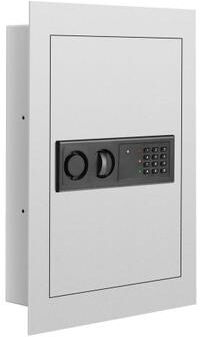
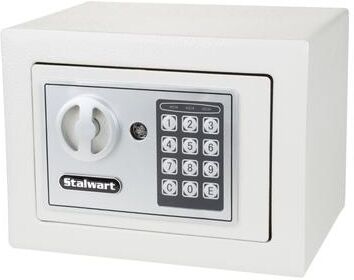
Digital Security Box - Compact Steel Combination Lock Box with Electronic Keypad - Portable Money Safe by Stalwart (Black)Whether you are storing money, jewelry, passports, or guns, the Stalwart Electronic Safety Lock Box is the perfect home safety and security system to keep your valuables secure.64,97 $*Shipping: 0,00 $Secure redirect to the provider
-
eufy Essential Security Bundle eufy Essential Security BundleYour Home's First Line of Defense: Covers key entry points—front/back doors and main entrances—with reliable detection and stronger long-range connectivity, helping keep your home protected around the clock. Proactive Protection, Instant Alerts³:...254,99 $*Shipping: 0,00 $Secure redirect to the provider



-
What was the landlord of the peasants?
The landlord of the peasants was typically a wealthy landowner or noble who owned the land that the peasants lived and worked on. The peasants would pay rent or provide labor in exchange for the right to live on and cultivate the land. The landlord often held significant power and authority over the peasants, collecting taxes, settling disputes, and enforcing laws on the land. This system of landlordship was common in feudal societies where land ownership was concentrated in the hands of a few powerful individuals. **
-
How do you say "you peasants" in German?
In German, "you peasants" can be translated as "ihr Bauern." **
-
What are the causes of the Peasants' War?
The Peasants' War was primarily caused by the oppressive social and economic conditions faced by the peasants in 16th-century Germany. The peasants were burdened by heavy taxes, feudal obligations, and exploitation by the nobility and clergy. Additionally, the spread of Protestant ideas, particularly those advocating for social equality and justice, fueled the peasants' desire for change and inspired them to revolt against their rulers. The lack of political representation and the desire for greater autonomy also played a significant role in sparking the Peasants' War. **
-
What are the consequences of the Peasants' War?
The consequences of the Peasants' War were significant. The revolt was brutally suppressed, resulting in the deaths of tens of thousands of peasants and the execution of many of their leaders. The power of the ruling nobility and the Catholic Church was reinforced, and the social and economic conditions of the peasants did not significantly improve. The war also led to increased religious and social tensions in Germany, contributing to the outbreak of the Thirty Years' War in 1618. Overall, the Peasants' War had a lasting impact on the social, political, and religious landscape of Germany. **
What is there to report about the Peasants' War?
The Peasants' War was a major uprising in 16th-century Europe, primarily in the Holy Roman Empire. It was sparked by widespread discontent among the peasant population due to oppressive social and economic conditions. The revolt was characterized by violent clashes between peasants and the ruling nobility, resulting in significant loss of life on both sides. The Peasants' War ultimately ended in defeat for the peasants, with many leaders being captured and executed. **
What did the peasants do at medieval peasant festivals?
At medieval peasant festivals, the peasants would engage in various activities such as dancing, singing, and playing games. They would also participate in feasting and drinking, often enjoying the fruits of their labor such as bread, cheese, and ale. These festivals provided a break from the hard work of farming and allowed the peasants to come together as a community to celebrate and socialize. Additionally, some festivals included religious ceremonies and processions, providing an opportunity for the peasants to express their faith and devotion. **
Top-Angebote
Products related to Peasants:
-
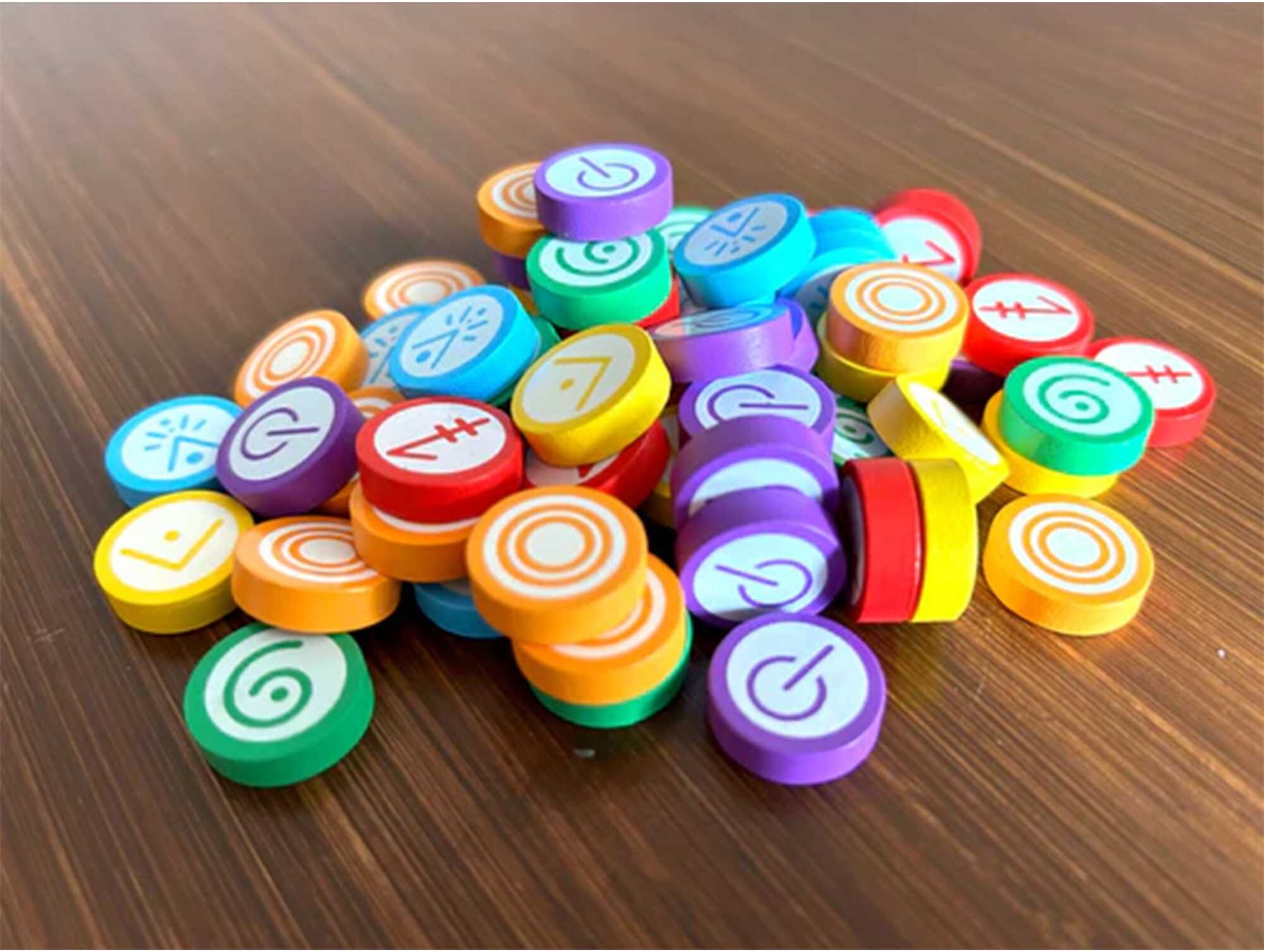
Vantage Skill Token Upgrade Pack for Board Game Collectors and Regular Players, Official Wooden Token Upgrade, 60 Tokens, Stonemaier GamesUpgrade your copy of Vantage with a complete set of wooden skill tokens designed for use with the board game. This pack replaces the cardboard skill tokens included with the game, adding a tactile, premium feel to setup and play. The pack contains 60 wooden skill tokens, with quantities designed to support a full six-player game. The tokens are made specifically for Vantage and are intended as an accessory for owners of the game rather than a standalone game. This upgrade pack is an official accessory for Vantage, designed to enhance your gameplay experience. It includes 60 skill tokens, perfect for games with up to six players. The wooden tokens replace the cardboard ones supplied with the core game, adding a more substantial component feel to your Vantage sessions. This product is suitable for both board game collectors and regular players who want to elevate their gameplay experience.12,09 £*Shipping: 1,99 £Secure redirect to the provider
-
Starfinder Alien Core Token Box for Tabletop Role-Playing Games, Paizo PublishingBring the creatures of the Starfinder universe to your tabletop with this collection of illustrated creature tokens. Designed for use with Starfinder Second Edition, the set can also support other science-fiction and fantasy role-playing games. Each token is printed on sturdy cardstock and features a full-color image on both sides, making it easy to represent a wide range of alien allies and enemies during play. The tokens are sized to work with Starfinder and Pathfinder Flip-Mats, as well as other battle maps using a 1-inch grid. This set is perfect for fans of the Starfinder Alien Core setting and is suitable for use with a variety of science fiction and fantasy role-playing games.51,19 £*Shipping: 0,00 £Secure redirect to the provider
-
Gamegenic Token Silo – Black - 9 Trays in 3 Sizes for Board Game AccessoriesKeep your board-game accessories organized and close at hand with the Gamegenic Token Silo in black. This compact storage box is designed to hold a variety of small gaming components, including tokens, cards, dials, and dice. The convertible design lets you clip the lid to the base, creating an accessible holder for components during play while helping to save space on the table. Inside are nine removable trays in three different sizes, allowing you to arrange contents according to the game or accessory collection. Made from durable material, the Token Silo can also be stacked with other Token Silo boxes. Its neutral black finish suits a wide range of tabletop gaming setups and can be combined with other colors in the range.11,29 £*Shipping: 1,99 £Secure redirect to the provider
-
How did the peasants in the Peasants' War intend to enforce their demands?
The peasants in the Peasants' War intended to enforce their demands through armed rebellion and uprisings against the ruling nobility and authorities. They organized themselves into large groups, often led by charismatic leaders, and sought to challenge the oppressive feudal system by seizing control of land and resources. The peasants also engaged in acts of sabotage and destruction to pressure the ruling class into meeting their demands for greater rights and freedoms. Ultimately, the peasants' efforts were met with violent suppression by the ruling elites, leading to the failure of the Peasants' War. **
-
When were the peasants freed?
The peasants were freed in 1861 when Tsar Alexander II of Russia issued the Emancipation Manifesto, which abolished serfdom in the Russian Empire. This decree granted the peasants personal freedoms and the ability to own land, marking a significant shift in the social structure of Russia. The emancipation of the peasants was a major reform that aimed to modernize the country and improve the living conditions of the rural population. **
-
What was the landlord of the peasants?
The landlord of the peasants was typically a wealthy landowner or noble who owned the land that the peasants lived and worked on. The peasants would pay rent or provide labor in exchange for the right to live on and cultivate the land. The landlord often held significant power and authority over the peasants, collecting taxes, settling disputes, and enforcing laws on the land. This system of landlordship was common in feudal societies where land ownership was concentrated in the hands of a few powerful individuals. **
-
How do you say "you peasants" in German?
In German, "you peasants" can be translated as "ihr Bauern." **
Similar search terms for Peasants
-
Digital Security Box - Compact Steel Combination Lock Box with Electronic Keypad - Portable Money Safe by Stalwart (Black)Whether you are storing money, jewelry, passports, or guns, the Stalwart Electronic Safety Lock Box is the perfect home safety and security system to keep your valuables secure.64,97 $*Shipping: 0,00 $Secure redirect to the provider
-
eufy Essential Security Bundle eufy Essential Security BundleYour Home's First Line of Defense: Covers key entry points—front/back doors and main entrances—with reliable detection and stronger long-range connectivity, helping keep your home protected around the clock. Proactive Protection, Instant Alerts³:...254,99 $*Shipping: 0,00 $Secure redirect to the provider
-
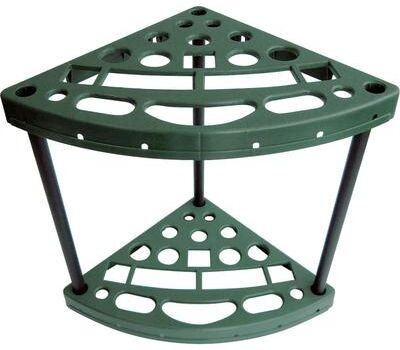
Garden Tool Organizer - Corner Storage Rack that Holds 18 Yard Tools and Broom Holder - Garage Organizers & Storage by Sto-AwayOrganize your yard and garden tools with the Yard tool corner storage rack by Trademark Home. Cluttered garden tools can be dangerous and inconvenient.29,98 $*Shipping: 0,00 $Secure redirect to the provider
-
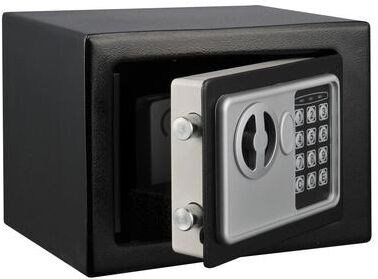
Trademark Home Digital Security Box - Compact Steel Lock Box with Electronic Keypad - Portable Safe for Cash, Jewelry by Stalwart (Gray)Whether you are storing money, jewelry, passports, or guns, the Digital Security Safe Box by Stalwart is the perfect security system to keep your valuables protected.48,59 $*Shipping: 0,00 $Secure redirect to the provider
-
What are the causes of the Peasants' War?
The Peasants' War was primarily caused by the oppressive social and economic conditions faced by the peasants in 16th-century Germany. The peasants were burdened by heavy taxes, feudal obligations, and exploitation by the nobility and clergy. Additionally, the spread of Protestant ideas, particularly those advocating for social equality and justice, fueled the peasants' desire for change and inspired them to revolt against their rulers. The lack of political representation and the desire for greater autonomy also played a significant role in sparking the Peasants' War. **
-
What are the consequences of the Peasants' War?
The consequences of the Peasants' War were significant. The revolt was brutally suppressed, resulting in the deaths of tens of thousands of peasants and the execution of many of their leaders. The power of the ruling nobility and the Catholic Church was reinforced, and the social and economic conditions of the peasants did not significantly improve. The war also led to increased religious and social tensions in Germany, contributing to the outbreak of the Thirty Years' War in 1618. Overall, the Peasants' War had a lasting impact on the social, political, and religious landscape of Germany. **
-
What is there to report about the Peasants' War?
The Peasants' War was a major uprising in 16th-century Europe, primarily in the Holy Roman Empire. It was sparked by widespread discontent among the peasant population due to oppressive social and economic conditions. The revolt was characterized by violent clashes between peasants and the ruling nobility, resulting in significant loss of life on both sides. The Peasants' War ultimately ended in defeat for the peasants, with many leaders being captured and executed. **
-
What did the peasants do at medieval peasant festivals?
At medieval peasant festivals, the peasants would engage in various activities such as dancing, singing, and playing games. They would also participate in feasting and drinking, often enjoying the fruits of their labor such as bread, cheese, and ale. These festivals provided a break from the hard work of farming and allowed the peasants to come together as a community to celebrate and socialize. Additionally, some festivals included religious ceremonies and processions, providing an opportunity for the peasants to express their faith and devotion. **
* All prices are inclusive of VAT and, if applicable, plus shipping costs. The offer information is based on the details provided by the respective shop and is updated through automated processes. Real-time updates do not occur, so deviations can occur in individual cases. ** Note: Parts of this content were created by AI.