Buy sto.nu ?
We are moving the project
sto.nu .
Are you interested in purchasing the domain
sto.nu ?
domain@kv-gmbh.de · 0541-91531010
Buy sto.nu ?
What are the peculiarities of serfdom?
Serfdom was a system of labor in which individuals were bound to the land they worked on and were under the control of a lord. Serfs were not slaves, as they had some rights and could not be bought or sold, but they were still subject to the authority of their lord. They were required to provide labor, goods, and services to the lord in exchange for protection and the use of land. Serfdom was a common feature of feudal societies in medieval Europe and persisted in some regions until the 19th century. **
Will serfdom be reintroduced in the future?
It is highly unlikely that serfdom will be reintroduced in the future. Serfdom was a system of forced labor and servitude that was abolished in most parts of the world during the 19th century. The modern world operates under principles of human rights, freedom, and equality, making the reintroduction of serfdom incompatible with contemporary values and legal frameworks. Additionally, the global economy and labor market have evolved to rely on different forms of employment and compensation, further diminishing the possibility of a return to serfdom. **

Similar search terms for Serfdom
Top-Angebote
Products related to Serfdom:
-
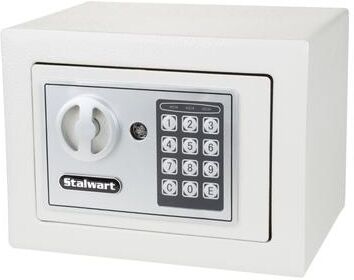
Digital Security Box - Compact Steel Combination Lock Box with Electronic Keypad - Portable Money Safe by Stalwart (Black)Whether you are storing money, jewelry, passports, or guns, the Stalwart Electronic Safety Lock Box is the perfect home safety and security system to keep your valuables secure.64,97 $*Shipping: 0,00 $Secure redirect to the provider
-
Garden Tool Organizer - Corner Storage Rack that Holds 18 Yard Tools and Broom Holder - Garage Organizers & Storage by Sto-AwayOrganize your yard and garden tools with the Yard tool corner storage rack by Trademark Home. Cluttered garden tools can be dangerous and inconvenient.29,98 $*Shipping: 0,00 $Secure redirect to the provider
-
eufy Essential Security Bundle eufy Essential Security BundleYour Home's First Line of Defense: Covers key entry points—front/back doors and main entrances—with reliable detection and stronger long-range connectivity, helping keep your home protected around the clock. Proactive Protection, Instant Alerts³:...254,99 $*Shipping: 0,00 $Secure redirect to the provider
-
Trademark Home Digital Security Box - Compact Steel Lock Box with Electronic Keypad - Portable Safe for Cash, Jewelry by Stalwart (Gray)Whether you are storing money, jewelry, passports, or guns, the Digital Security Safe Box by Stalwart is the perfect security system to keep your valuables protected.48,59 $*Shipping: 0,00 $Secure redirect to the provider



-
What is the difference between lordship and serfdom?
Lordship refers to the status of a noble or landowner who has control and authority over a piece of land and the people living on it. Serfdom, on the other hand, refers to the status of a peasant or laborer who is bound to the land they work on and must provide labor and goods to the lord in exchange for protection and the right to live on the land. In essence, lordship represents the ruling class with power and authority, while serfdom represents the laboring class with limited rights and freedoms. **
-
What is the difference between serfdom and manorialism?
Serfdom and manorialism are related systems that were prevalent in medieval Europe. Manorialism refers to the economic system where peasants worked on a lord's estate in exchange for protection and the use of land. Serfdom, on the other hand, refers to the legal and social status of the peasants who were bound to the land they worked on and were considered the property of the lord. In essence, manorialism is the economic system, while serfdom is the social and legal status of the peasants within that system. **
-
What is the difference between serfdom and bondage?
Serfdom and bondage are both forms of unfree labor, but they have different historical and cultural contexts. Serfdom was a system of labor in medieval Europe where peasants were bound to the land and required to work for the lord in exchange for protection and the use of land. Bondage, on the other hand, refers to the condition of being enslaved or held as property, often as a result of being captured in war, being born into slavery, or being sold into slavery. While both serfdom and bondage involve the lack of freedom and autonomy, serfdom was tied to the feudal system in Europe, while bondage has been a more widespread and enduring form of unfree labor throughout history. **
-
What is the difference between manorialism and serfdom?
Manorialism refers to the economic system in medieval Europe where land was divided into manors controlled by a lord, who provided protection and resources in exchange for labor and goods from the peasants. Serfdom, on the other hand, was the legal and social status of the peasants who worked the land on the manor. Serfs were bound to the land and could not leave without the lord's permission, whereas manorialism refers to the overall system of land ownership and labor relationships. In essence, manorialism was the economic system, while serfdom was the social status of the laborers within that system. **


Can there be forced labor and serfdom in a democratic state? Justification?
Forced labor and serfdom are generally considered incompatible with the principles of democracy, which prioritize individual freedoms and rights. In a democratic state, citizens are expected to have the right to choose their occupation and work conditions freely. Any form of forced labor or serfdom would violate these fundamental principles and would likely face legal challenges and public outcry. Additionally, international human rights standards and conventions prohibit forced labor and slavery, further reinforcing the incompatibility of these practices with a democratic society. **
What were the serfdom conditions in the Ottobeuren Monastery State in the year 1548?
In 1548, the Ottobeuren Monastery State was a feudal society where serfdom conditions were prevalent. Serfs were bound to the land they worked on and were required to provide labor and goods to the monastery in exchange for protection and a place to live. Serfs had limited rights and freedoms, and their lives were heavily controlled by the monastery. They were subject to the authority of the monastery's rulers and had little opportunity for social mobility. **
Top-Angebote
Products related to Serfdom:
-
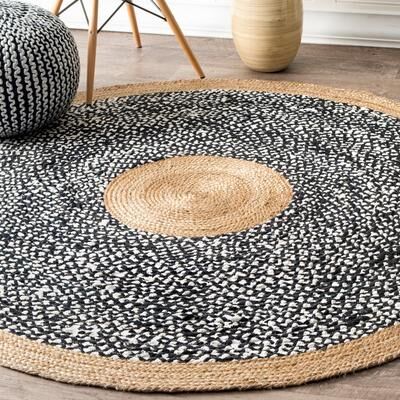
Nuloom Geometric Casual Natural Fiber Jute And Cotton Token Area RugMachine made in India of jute and cotton, this rug is the perfect addition to coastal, cottage, or farmhouse décor. Features: 80% Cotton, 20% Jute, made in India Crafted with love and care, hand made rugs carry the spirit of the artisans that made...95,49 $*Shipping: 0,00 $Secure redirect to the provider
-
Digital Security Box - Compact Steel Combination Lock Box with Electronic Keypad - Portable Money Safe by Stalwart (Black)Whether you are storing money, jewelry, passports, or guns, the Stalwart Electronic Safety Lock Box is the perfect home safety and security system to keep your valuables secure.64,97 $*Shipping: 0,00 $Secure redirect to the provider
-
Garden Tool Organizer - Corner Storage Rack that Holds 18 Yard Tools and Broom Holder - Garage Organizers & Storage by Sto-AwayOrganize your yard and garden tools with the Yard tool corner storage rack by Trademark Home. Cluttered garden tools can be dangerous and inconvenient.29,98 $*Shipping: 0,00 $Secure redirect to the provider
-
What are the peculiarities of serfdom?
Serfdom was a system of labor in which individuals were bound to the land they worked on and were under the control of a lord. Serfs were not slaves, as they had some rights and could not be bought or sold, but they were still subject to the authority of their lord. They were required to provide labor, goods, and services to the lord in exchange for protection and the use of land. Serfdom was a common feature of feudal societies in medieval Europe and persisted in some regions until the 19th century. **
-
Will serfdom be reintroduced in the future?
It is highly unlikely that serfdom will be reintroduced in the future. Serfdom was a system of forced labor and servitude that was abolished in most parts of the world during the 19th century. The modern world operates under principles of human rights, freedom, and equality, making the reintroduction of serfdom incompatible with contemporary values and legal frameworks. Additionally, the global economy and labor market have evolved to rely on different forms of employment and compensation, further diminishing the possibility of a return to serfdom. **
-
What is the difference between lordship and serfdom?
Lordship refers to the status of a noble or landowner who has control and authority over a piece of land and the people living on it. Serfdom, on the other hand, refers to the status of a peasant or laborer who is bound to the land they work on and must provide labor and goods to the lord in exchange for protection and the right to live on the land. In essence, lordship represents the ruling class with power and authority, while serfdom represents the laboring class with limited rights and freedoms. **
-
What is the difference between serfdom and manorialism?
Serfdom and manorialism are related systems that were prevalent in medieval Europe. Manorialism refers to the economic system where peasants worked on a lord's estate in exchange for protection and the use of land. Serfdom, on the other hand, refers to the legal and social status of the peasants who were bound to the land they worked on and were considered the property of the lord. In essence, manorialism is the economic system, while serfdom is the social and legal status of the peasants within that system. **
Similar search terms for Serfdom
-
eufy Essential Security Bundle eufy Essential Security BundleYour Home's First Line of Defense: Covers key entry points—front/back doors and main entrances—with reliable detection and stronger long-range connectivity, helping keep your home protected around the clock. Proactive Protection, Instant Alerts³:...254,99 $*Shipping: 0,00 $Secure redirect to the provider
-
Trademark Home Digital Security Box - Compact Steel Lock Box with Electronic Keypad - Portable Safe for Cash, Jewelry by Stalwart (Gray)Whether you are storing money, jewelry, passports, or guns, the Digital Security Safe Box by Stalwart is the perfect security system to keep your valuables protected.48,59 $*Shipping: 0,00 $Secure redirect to the provider
-
eufy Security SoloCam E30360° Vision, Every Corner in Sight: Enjoy comprehensive coverage with a wide viewing angle, minimizing blind spots and allowing you to monitor your front porch, yard, or even your driveway. AI Motion Detection and Smart Tracking: Built-in AI instantly detects and automatically tracks people, vehicles, or important events within view, minimizing false alarms and keeping your property secure. Stay Charged With Forever Power: With a removable solar panel for flexible installation, just 2 hours of daily sun keeps SoloCam E30 charged. SolarPlus technology gives you always-on security and constant peace of mind. Enhanced 2K Clarity Day and Night: Experience crystal-clear 2K clarity day and night, capturing every detail that matters. With an f/1.6 aperture and 2K resolution, SoloCam E30 always ensures superior image quality. No Monthly Fee: Your footage is stored locally to keep it private. Use a microSD card up to 128 GB in size (microSD card not included) and enjoy no monthly fees.69,99 £*Shipping: 0,00 £Secure redirect to the provider
-
What is the difference between serfdom and bondage?
Serfdom and bondage are both forms of unfree labor, but they have different historical and cultural contexts. Serfdom was a system of labor in medieval Europe where peasants were bound to the land and required to work for the lord in exchange for protection and the use of land. Bondage, on the other hand, refers to the condition of being enslaved or held as property, often as a result of being captured in war, being born into slavery, or being sold into slavery. While both serfdom and bondage involve the lack of freedom and autonomy, serfdom was tied to the feudal system in Europe, while bondage has been a more widespread and enduring form of unfree labor throughout history. **
-
What is the difference between manorialism and serfdom?
Manorialism refers to the economic system in medieval Europe where land was divided into manors controlled by a lord, who provided protection and resources in exchange for labor and goods from the peasants. Serfdom, on the other hand, was the legal and social status of the peasants who worked the land on the manor. Serfs were bound to the land and could not leave without the lord's permission, whereas manorialism refers to the overall system of land ownership and labor relationships. In essence, manorialism was the economic system, while serfdom was the social status of the laborers within that system. **
-
Can there be forced labor and serfdom in a democratic state? Justification?
Forced labor and serfdom are generally considered incompatible with the principles of democracy, which prioritize individual freedoms and rights. In a democratic state, citizens are expected to have the right to choose their occupation and work conditions freely. Any form of forced labor or serfdom would violate these fundamental principles and would likely face legal challenges and public outcry. Additionally, international human rights standards and conventions prohibit forced labor and slavery, further reinforcing the incompatibility of these practices with a democratic society. **
-
What were the serfdom conditions in the Ottobeuren Monastery State in the year 1548?
In 1548, the Ottobeuren Monastery State was a feudal society where serfdom conditions were prevalent. Serfs were bound to the land they worked on and were required to provide labor and goods to the monastery in exchange for protection and a place to live. Serfs had limited rights and freedoms, and their lives were heavily controlled by the monastery. They were subject to the authority of the monastery's rulers and had little opportunity for social mobility. **
* All prices are inclusive of VAT and, if applicable, plus shipping costs. The offer information is based on the details provided by the respective shop and is updated through automated processes. Real-time updates do not occur, so deviations can occur in individual cases. ** Note: Parts of this content were created by AI.